Nine Checks Before the Radiator Wins: A Winter Coat Audit for UK Dogs
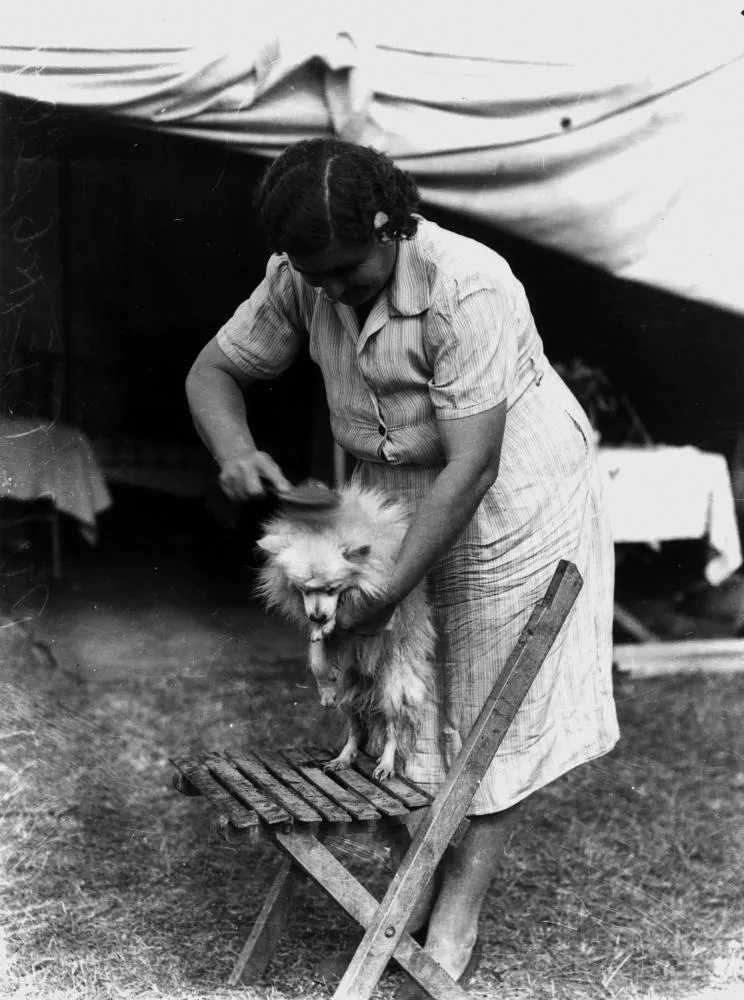
Photo: State Library of Queensland, No restrictions, via Wikimedia Commons
Winter doesn't announce itself with a bang. It arrives as a smell — that first afternoon the radiators come on and the whole house takes on the scent of hot dust — and, a fortnight later, as a dog whose coat has quietly turned into a mat behind one ear that you definitely didn't notice last month.
This isn't a grooming lecture. It's an audit. Twenty minutes, a metal comb, decent light in the kitchen, and a frank look at nine things that change for a UK dog between October and March. Run it now, run it again in January, and you'll skip the phone call to the groomer where you have to say the words "I think it's been there a while".
Why heating and wet walks change everything
Two forces do the damage. The first is central heating: warm, dry air pulls moisture from skin and coat, and a dog that spends eight hours a day on a radiator-adjacent sofa will flake like a pasty. The second is the British winter walk — drizzle, mud, standing water, and the long damp slog home. A wet coat that isn't dried properly clumps together, and clumps, given a week, become felt.
Neither problem is dramatic. Both are much cheaper to fix in November than in February.
1. The finger test behind the ears
Slide your fingers behind the ear, where the skull meets the neck. That's the number one spot for mats because it's where collars sit and where dogs can't reach to groom themselves. If you can't get a metal comb through the hair from skin outwards without snagging, you've found a mat. Don't attack it with scissors.
2. Harness and collar rub points
Anywhere a strap sits — the chest plate, the armpit, the point where a harness crosses the shoulder — check for tangles and for pink, rubbed skin. A harness worn over a winter coat is worse, because the coat's fabric drags the hair underneath. Every time the harness comes off, run two fingers under the strap lines.
3. Skin, not just coat
Part the hair along the spine, then look at the armpits and the groin. You're looking for dandruff, redness, greasy patches or a smell that's sharper than usual. Flaking is often just dry indoor air, but persistent flaking with itching is a vet conversation, not a shampoo shopping trip. Rule that out before you buy anything.
4. Paws, including between the toes
Winter pavements bring grit, mud balls and, in some councils, salt. Check the pads for cracks and the gaps between toes for compacted mud. If your dog is a spaniel, poodle cross or anything with feathery feet, the hair between the pads traps everything. Trim it level with the pad — no digging into the webbing.
On balm: use a product formulated for dogs, apply after walks rather than before (a slippery pad on wet paving is not what you want), and skip anything fragranced or containing essential oils. Human hand cream is not a substitute.
5. The bath question
Here's the winter trap: more mud leads to more baths, and more baths strip the natural oils that were protecting the coat in the first place. If your dog has rolled in something unspeakable, a full shampoo is fair enough. If it's just wet mud, a rinse with plain warm water and a towel often does the job. As a rough guide, most healthy dogs do fine with a proper bath every four to eight weeks in winter — more often if they're genuinely filthy, less if their coat is dry or they're a double-coated breed.
6. Drying, properly
Towel drying means going with the lie of the coat rather than scrubbing against it, and paying attention to the chest, armpits and the underside of the tail, which are the last bits to dry and the first bits to smell. A damp dog parked on a radiator for two hours is a recipe for a stiff, clumpy coat — and an overheating risk if they can't move away.
7. Coats, jumpers and the mat underneath
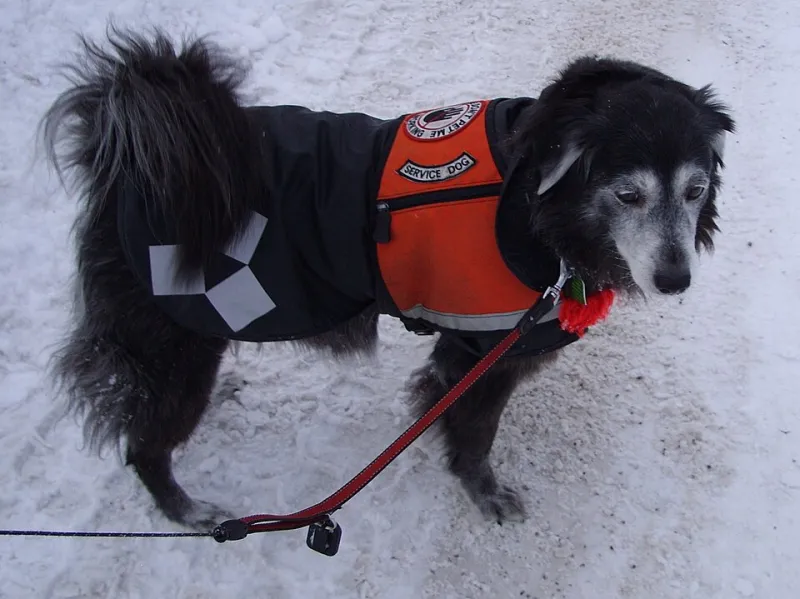
A coat on a thin-coated, clipped or elderly dog is sensible. But clothing compresses hair, and compression causes mats. If your dog wears a fleece for eight hours a day, you need to check under it daily — particularly the chest and flanks. Take it off indoors; the point is the walk, not the outfit.
8. Nails and grip
Less running on dry grass, more steady pavement walking, and suddenly the nails are clicking on the kitchen floor. Clicking usually means they're too long. Long nails change how a dog stands and can make wet, slippery paving feel considerably less secure.
9. Tidy-up versus professional groom
A home tidy handles: combing out loose undercoat, trimming pad fur, tidying around the eyes and hygiene areas if you're confident, and keeping the whole coat tangle-free. A professional handles: hand-stripping, full clips, breed-standard trims, and — crucially — de-matting that needs to be done without nicking skin. Never cut a mat out with scissors; the skin is closer than it looks and moves with the hair.
Prices vary by region and breed, but expect somewhere in the region of £35–£70 for a full groom on a small-to-medium dog, more for large or heavily coated breeds. Book before the festive season, not during it: good groomers fill their diaries weeks ahead, and the week before Christmas is not the moment to discover that.
The bit that actually matters
Most coat problems aren't caused by a lack of professional help. They're caused by a gap of three weeks where nobody put a comb through the dog. Five minutes twice a week, with the telly on and the dog half asleep, will catch almost everything on this list while it's still a tangle rather than a mat.
Do the audit this week. Then put it in the diary, because the radiator isn't going anywhere until March.