Dark by Four: A Winter Walking Plan That Works for Dogs and Their Humans
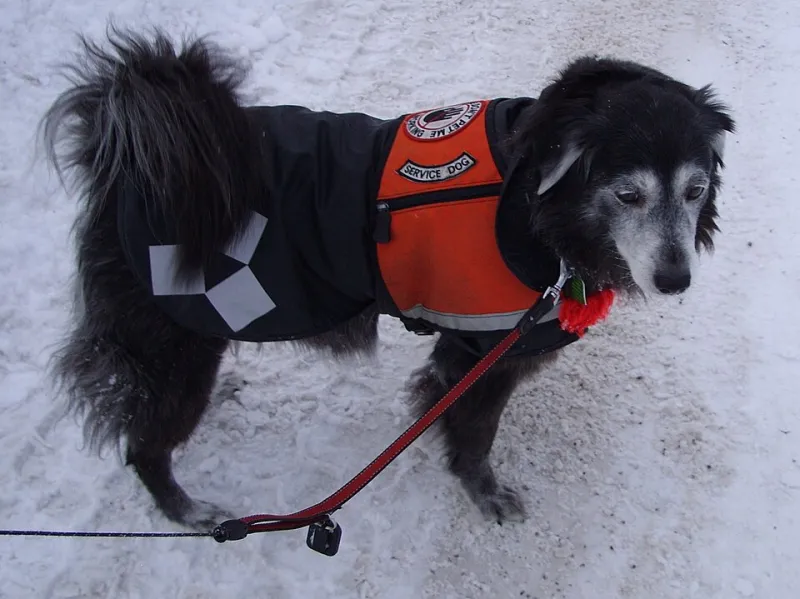
Photo: Truehistoryjvba, CC BY-SA 3.0, via Wikimedia Commons
The clock change has done its usual trick. You leave work in something resembling daylight, blink, and by the time you've found the lead it's 4pm and the sky is already giving up. For UK dog owners, the winter walk is less about heroic outdoor adventure and more about fitting light, warmth and a decent sniff into a short window.
That doesn't mean every walk has to be a grim trudge around the block. It does mean a bit of planning. Here's a practical winter walking plan that keeps dogs exercised, humans sane and everyone visible.
Work with the light, not against it
Midwinter sunset in the UK lands somewhere around 3.50pm to 4.10pm depending on where you are, so the trick is to treat daylight as a limited resource. If you can, shift the longest walk to the morning or take a proper lunchtime loop. The after-work walk can then be shorter and more sniff-focused rather than a rushed march.
Check the sunset time rather than guessing. Weather apps and the Met Office are useful, but a quick look out of the window before you put your boots on is still undefeated. On grim days, decide the route before you leave so you're not standing at the gate having a debate.
Get visible before you get going
Reflective kit matters more than hi-vis in the dark. Hi-vis helps in daylight and low light; reflective strips and harnesses bounce headlights back. The best setup is usually both: a reflective harness or lead, plus a small LED light on the collar or harness. A tiny tag that flashes is not enough on a dark pavement.
For humans, a light-coloured jacket and a reflective vest are cheap and effective. A head torch keeps your hands free for leads and treats, but angle it down so you don't blind drivers or other walkers. Check the dog's ID tag is legible and secure. In winter, a second tag with your mobile number is cheap insurance.
Avoid retractable leads after dark. They're hard to see, easy to tangle and give you very little control near roads. A standard lead, a decent torch and a pocket of treats will do more for safety than any gadget.
Plan routes for short days
Choose routes with streetlights, safe crossings and decent pavements. Unlit towpaths, muddy fields and cut-throughs that feel fine in June can be miserable and risky in December. Stick to familiar loops and tell someone if you're heading somewhere remote.
Walk facing traffic where there's no pavement, and cross at lit crossings where possible. In parks, stay on main paths and keep an ear out for cyclists. If your dog is noise-sensitive, avoid bin day, school kicking-out time and the busiest commuter windows.
Variety still matters. A short walk around the same block can be made richer with sniffing, simple training and a few treats scattered in the grass. Mental work tires a dog out surprisingly well when the weather is doing its worst.
Check paws, coats and everything in between
Grit and salt can irritate paws, so rinse and dry them after walks. Dry between the toes properly, especially on dogs with fluffy feet. If the fur between the pads gets long and clumpy, ask your groomer to trim it or do it carefully at home. Don't slap on human moisturiser; if paws are cracked or sore, speak to your vet.
Not every dog needs a coat. Short-coated breeds, seniors, lean dogs and dogs with medical conditions often benefit, but thick-coated breeds can overheat. The test is simple: if your dog is shivering, reluctant or miserable, add a layer. If they're panting or trying to wriggle out of it, take it off.
Dry your dog thoroughly when you get home, especially armpits, belly and between the toes. A wet dog left in a cold car or draughty hallway is a recipe for a grumpy evening.
Adjust the plan for the dog in front of you
Puppies don't need long winter marches. Several short, frequent walks are better for joints and confidence, and a carry home is perfectly acceptable if they've had enough. Use daylight hours for socialisation and new experiences where you can.
Senior dogs often prefer shorter, flatter routes with good footing. Avoid icy patches and slippery stiles. If they're slowing down or reluctant, get them checked by a vet rather than assuming it's just the cold.
Anxious dogs may find dark evenings harder. Quieter routes, predictable loops and plenty of sniffing can help. If your dog suddenly refuses walks or seems painful, that's a vet conversation, not a training one.
Look after the human, too
Winter walking is easier when you're not miserable. Warm layers, gloves, a decent torch and a treat pouch you can actually open with cold fingers make a difference. A flask at home for afterwards is not essential, but it's a nice incentive.
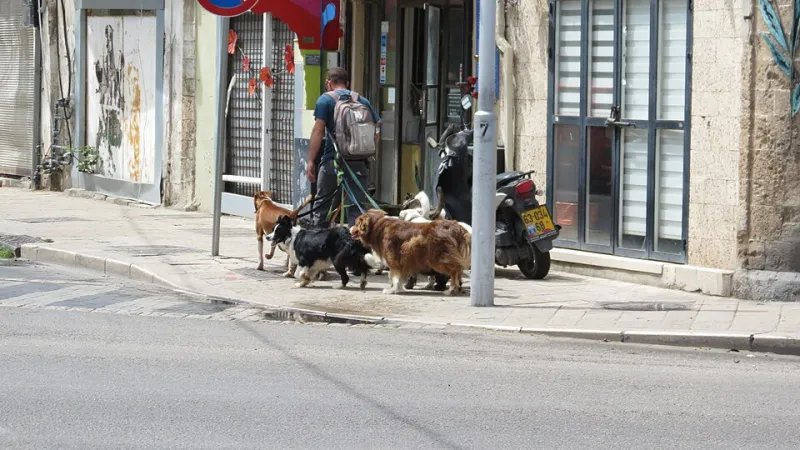
If work makes daylight walks impossible, a local dog walker can fill the gap. Ask what reflective kit they use, how they plan routes and whether they walk dogs solo or in groups. Good walkers will have clear answers.
The 4pm sunset is not a crisis. It's a scheduling puzzle. Solve it with a bit of light, a sensible route and a dog who gets to sniff something interesting. Winter walks don't have to be beautiful. They just have to work.