The Empty Beach Is Your Classroom: Winter Sand Sessions for Better Check-Ins
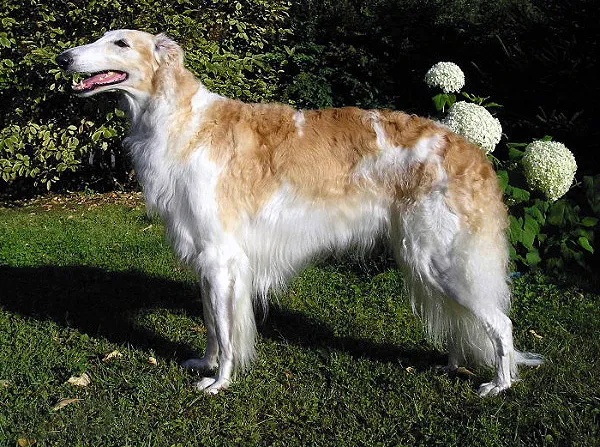
Photo: Taru T Torpström, CC BY-SA 3.0, via Wikimedia Commons
Winter beaches are one of the UK’s quietest training venues. The day-trippers have gone, the ice-cream vans are asleep, and many councils relax their summer dog restrictions between 1 October and 30 April. That gives you space, novelty and a huge open canvas for recall, distance work and calm exposure — provided you plan around the tide, the cliffs and the wildlife that shares the shore.
This is not about letting a dog tear around until it stops listening. It is about using the beach deliberately: short sessions, good gear and a clear finish while everyone still has something left in the tank.
First, check the sign — not the folklore
One of the most common beach myths is that “all beaches allow dogs in winter.” Many do, but not all. Some councils keep year-round restrictions, exclude dogs from certain coves or nature reserves, or require leads in specific zones. Public Spaces Protection Orders can vary from one stretch of sand to the next, and rules in England, Wales, Scotland and Northern Ireland are not identical.
Before you go, check the local council’s website and look for the actual beach notice when you arrive. A quick photo of the sign is useful if you walk the same patch often. If the rules say leads on, keep the lead on. Access stays open because most dog owners follow the small print.
Tide, cliffs and the things that don’t show on Instagram
A beach at low tide can look like a giant exercise field. It can also change faster than you expect. Check a tide table before leaving home and avoid the hour or two either side of a high spring tide, when the usable sand shrinks quickly. Never let a dog get between you and a rising sea, and keep an eye on shallow channels that fill behind you.
Cliffs deserve the same respect. Erosion is ongoing around much of the UK coast, and the safest place to walk is usually the firm sand or established path — not the crumbly top edge or the base of a cliff where debris has fallen. If the dog is on a long line, keep the line away from rocks and sharp shells, and don’t throw a ball towards a cliff or a breakwater.
Cold water is another quiet risk. Most dogs cope with a paddle, but a dog that drinks a lot of seawater can end up with an upset stomach, and repeated wave-chasing can be exhausting. Build in breaks, offer fresh water from a flask, and call the session before the dog starts looking wild-eyed rather than happy.
Salt, wildlife and the etiquette that keeps access open
Saltwater and sand are part of the deal, but a quick rinse afterwards helps prevent sore paws and itchy skin. Pay attention to ears if your dog has been in and out of the surf, and check paw pads for small cuts from shells or pebbles.
Wildlife matters more in winter than many people realise. Overwintering birds use beaches to rest and feed, seals may haul out on sandbanks, and some shorelines are protected sites. Keep distance, keep the long line short near bird flocks, and never let a dog chase anything with feathers or flippers. If a seal is on the sand, give it a wide berth and follow local signs — a dog off-lead near a resting seal is exactly the kind of encounter that leads to restrictions.
And yes, pick up after your dog. Carry more bags than you think you need, including one for the walk back. Beach bins can be scarce in winter.
A simple beach session that builds rather than floods
Think 20 to 30 minutes of actual training, not a two-hour expedition. The goal is a dog that can check in around distractions, not one that has been overstimulated into deafness.
Arrive calm. Spend the first few minutes walking on lead near the car park or promenade. Let the dog look, sniff and hear the waves without asking for anything. This is the warm-up.
Use the long line properly. A 5–10 metre bioThane or webbing long line gives you room for distance work without losing the dog. Keep it untangled, wear gloves if the line is thin, and don’t attach it to a collar — a well-fitted harness is kinder for this work.
Do three easy recalls, then a sniff break. Call the dog back from just a few metres, reward generously, then release it to sniff. Repeat in different directions. The point is not a perfect sit; it is a dog that turns towards you and comes in when asked.
Add one distance exercise. Send the dog to a marker — a bag, a coat on a rock, a patch of seaweed — then ask for a sit or a wait and walk a few paces away. Reward the check-in. Keep it short and stop while it is still easy.
Finish with a settle. Find a sheltered spot out of the wind, ask for a down, and feed a few treats while the dog watches the sea. This is calm exposure: the beach becomes a place where good things happen and nothing needs to be chased.
The long line is the lesson
Off-lead beach running is lovely, but it is not the starting point for every dog. A long line lets you practise recall with a safety net, especially around other dogs, birds and the surprise of a wave. If your dog has a reliable recall at home but loses its ears on sand, the beach is telling you something useful: the environment is too exciting for that level of freedom today. Shorten the line, increase the reward value, and build the picture over several visits.
If your dog is worried by waves, wind or the sight of other dogs in the distance, don’t push it into the middle of the beach. Work at the edge, where the dog can opt out. Confidence grows from choice, not from being dragged towards the sea.
After the beach
Rinse the salt out of the coat, check paws and ears, and dry the harness properly. Give the dog a quiet hour afterwards rather than another big outing. A good beach session is tiring in a useful way — the kind of tired that comes from thinking, not just sprinting.
Winter sand is a gift for UK dog owners: space, novelty and a change of scene when the local park feels grey. Use it with a bit of planning, and the beach becomes less of a one-off adventure and more of a training ground you can return to all season.