The Opt-In Once-Over: A Monthly Handling Routine for Dogs Who'd Rather You Didn't
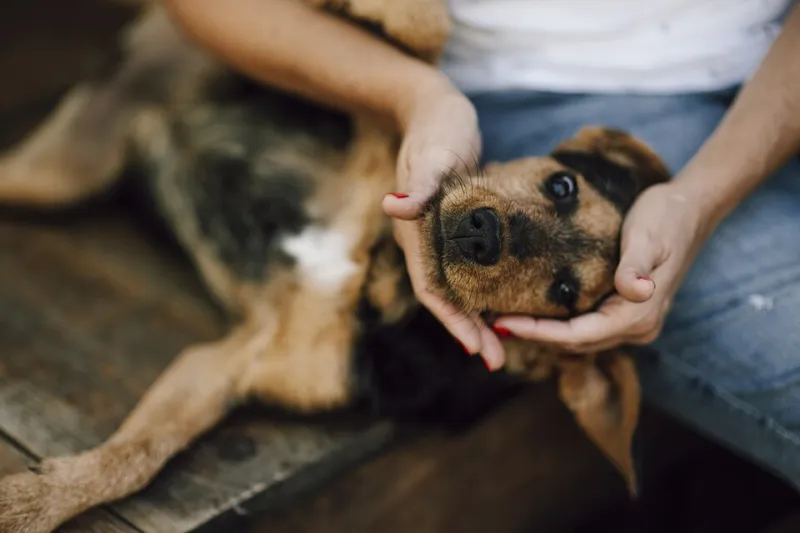
Photo: Shixart1985, CC BY 2.0, via Wikimedia Commons
Some dogs live for a fuss. Others develop an urgent interest in the skirting board the moment a hand comes near their collar. Neither reaction makes a dog naughty. A dog who backs away from an ear check is usually saying something useful about pace, trust and past experience. The answer isn't a firmer grip or a cheerier voice. It's a tiny, predictable routine that gives the dog a say.
Think of it as a monthly once-over rather than a wrestling match. Four minutes, a handful of treats, and a dog who learns that being handled is worth opting into.
Why little and often beats the annual ambush
Most dogs only get a proper hands-on check when something is already wrong, or when they're sitting on a slippery vet table wondering why nobody warned them. That's a lot of pressure on one appointment.
A short monthly routine at home changes the maths. You get to notice small changes early — a bit of ear odour, a cracked pad, a new lump, a tooth that's picked up tartar. Your dog gets to rehearse being touched in a calm place, with treats and an exit route. Come the next vet visit or grooming appointment, the handling isn't brand new. It's just faster and less exciting.
This isn't a substitute for veterinary advice, and it isn't a DIY diagnosis kit. It's a confidence-building habit.
The start button is the whole trick
Before you touch a paw or peek in an ear, teach a start button. This is a simple signal that means yes, you can handle me now. It might be a chin rest on your palm, a hand target, or a dog choosing to sit on a specific mat. The important part is that the dog offers it.
If your dog walks away, the session is over. Not with a sigh, not with a quick sneaky ear check — over. Treat, release, and try again another day. That sounds soft, but it's what makes the routine work. A dog who knows they can stop is far more likely to tolerate the next two seconds.
Use small, high-value treats. Something smelly and pea-sized. Pair the treat with the touch, not as a bribe to hold still. If you're luring a dog into a clamp, you've missed the point.
A four-week build-up, then a monthly four-minute run
Don't start with a full head-to-tail inspection. Build the pieces first, one week at a time. After that, run the whole four-minute once-over once a month, with tiny refreshers in between.
Week one: paws and the start button
Practise the start button. Then touch one paw for a second, treat, release. Build up to holding the paw gently for two seconds and looking between the pads. One paw per session is plenty. If your dog snatches the paw back, you've gone too fast.
Week two: ears and eyes
Lift an ear flap briefly, look, treat, release. Don't push anything into the ear canal. For eyes, gently support the chin and look at each eye in turn. Check for discharge, redness or squinting. Don't touch the eyeball. If your dog turns their head away, stop and reset.
Week three: mouth and teeth
Lift a lip for a second to glance at gums and teeth. Don't force the mouth open. This is also a good week to reintroduce a toothbrush if you use one, even if it's just a smear of dog toothpaste on the brush and a quick look. Build slowly.
Week four: the body scan and full run-through
Run your hands gently over the body: neck, shoulders, back, flanks, belly, tail base and legs. Check for lumps, matts, ticks, heat or tenderness. Then put the pieces together in one short four-minute sequence. Treat generously at the end and use a clear release cue such as done or finish.
What you're actually looking for
You're not trying to diagnose. You're looking for changes from last month.
- Ears: smell, redness, discharge, head shaking or scratching.
- Eyes: discharge, redness, cloudiness, squinting or rubbing.
- Mouth: red gums, bad breath, tartar, broken teeth or reluctance to chew.
- Paws: cracked pads, grass seeds between toes, overgrown nails, licking or limping.
- Body: new lumps, ticks, matts, unexplained weight change or sore spots.
Make a note on your phone if something looks different. A photo and a date are more useful to your vet than a vague memory.
Release, reward, and resist the urge to sneak one more check
A release cue is not a formality. It teaches your dog that the handling has a clear end. Once you've said done, stop. Don't sneak in one last ear peek because they're being so good. That's how you teach a dog that the finish line moves.
Reward the dog for opting in, not just for holding still. The goal is a dog who volunteers a paw or leans in for a chin rest, not one who has learned to freeze.
When to stop and phone the vet
Stop immediately if your dog yelps, guards a body part, snaps, or seems suddenly painful. A sudden change in tolerance can be a pain signal. Ring your vet practice for advice rather than pushing through. The same goes for ear infections, eye problems, dental pain, lumps and anything that's changed quickly.
Making it work in a wet British winter
Dark evenings and muddy paws can make handling feel like a chore. Keep a towel and a tin of treats by the door, and do the once-over on a dry mat rather than in the middle of a wet hallway. Pick a date you'll actually remember — the first Sunday of the month works for plenty of people — and set a phone reminder.
If your dog is still twitchy after fireworks season or a bad grooming experience, go back a step. Short, easy sessions beat a monthly marathon.
The bottom line
A four-minute monthly once-over won't fix every handling issue, but it will make your dog more familiar with being checked, and make you quicker to notice changes. Keep it short, keep it treat-led, and let the dog choose the start. That's not mollycoddling. It's good husbandry with better manners.