Mud, Grit and a Missed Slot: The Weather Terms to Agree Before Your Dog Walker Arrives

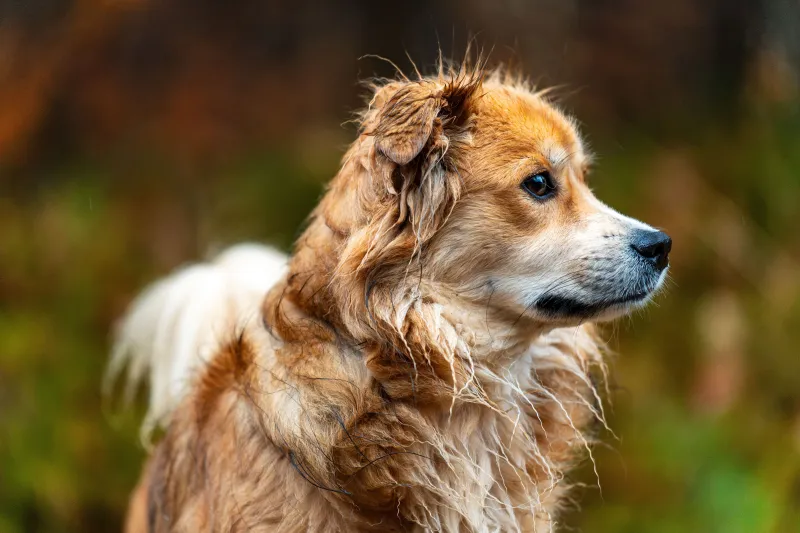
Photo: dog walker towelling wet muddy dog at front door UK, via stream.jdmagicbox.com
Most dog-walk bookings cover the basics: dates, times, price and where the key lives. Then the forecast changes, the pavement turns to a skating rink, or your dog comes back looking like they've been mud-wrestling. That's when the real terms of the booking matter. Not the glossy bit on the website — the weather bit nobody remembers to ask about until it's pelting down.
A useful weather agreement doesn't need to be a legal document. It needs to be a short, clear conversation that ends with both sides knowing what happens when the sky has other ideas. Here's what to settle before your walker arrives for the first time.
Start with what 'bad weather' means for your dog
A general forecast is not much help. Your walker needs to know how your dog copes with rain, wind, cold and heat, because a sprightly collie and a short-legged senior have different limits. Mention whether your dog hates getting wet, wears a coat, has thin fur, struggles on slippery paths, or overheats easily. If they're a mud magnet, say so cheerfully but clearly.
Ask the walker what their own thresholds are. Some will walk in almost anything; others won't take dogs out in thunderstorms or when pavements are frozen. Neither approach is wrong, but you need to know which one you've booked. A simple question works: 'What would make you shorten or cancel a walk?'
The muddy-paw clause
Muddy paws are not an emergency, but they are a daily practical problem from October to March. Agree where the towelling happens. Is there a boot room, a back door, a stack of old towels by the utility sink? Will the walker dry your dog's paws and underside before they come in, or will they hand back a damp dog at the door?
If your walker isn't coming inside, leave a towel and a note. If they are, show them where the towels live and what to do with a wet harness. A quick paw rinse and towel-down takes a minute and saves your hallway. It also gives you a chance to check for grit, small cuts or fox poo — the glamorous side of dog ownership.
Rain: cancel, shorten or carry on?
This is the one to pin down. Ask whether a rainy forecast changes the visit at all. Some walkers will carry on with a shorter route; some will swap a park walk for a pavement loop; some will cancel if conditions are genuinely unsafe. All are reasonable, as long as you know in advance.
Agree a rough plan for three scenarios: normal wet weather, properly grim weather, and dangerous weather. 'Normal wet' might mean a 30-minute walk instead of an hour, with a towel-down afterwards. 'Grim' might mean a shorter sniff-and-toilet break. 'Dangerous' might mean no walk at all, with a garden visit or a check-in instead. The labels don't matter; the shared expectations do.
Also ask when you'll be told. A message by 7am is useful if you're heading to work. A message at 11am when the walk was booked for 9am is less useful. If the walker waits until they're at your door, you've lost the chance to make another plan.
Heat, ice and the days that aren't walking days
Weather clauses aren't only about rain. In summer, hot pavements and midday sun can make a normal walk unsafe, especially for flat-faced breeds, older dogs and dark-coated dogs. Ask whether your walker will shift the time, shorten the route, carry water, or skip the walk and offer a cool indoor visit. In winter, black ice, deep snow and gritted roads can turn a routine corner into a slip hazard.
A good walker uses judgement in the moment. If the route is unsafe halfway round, they should be able to turn back, shorten the walk and message you. That isn't a failure of service; it's basic dog welfare. Agree it now so nobody feels awkward later.
How changes get communicated
Pick one channel and one cut-off time. WhatsApp is fine for most people; a phone call is better if you're not glued to your messages. Ask who will contact you, and what happens if you don't reply. If the walker cancels, will they offer a credit, a reschedule or a refund? If you cancel because the weather looks dreadful, what notice do they need?
Get the boring bits in writing too: emergency contact, vet details, whether the walker can enter the house if you're out, and where the towel is kept. A short message summarising the plan is enough. Both of you can check it when the forecast turns.
The money bit nobody enjoys
Weather cancellations can get awkward when money is involved. Ask directly: if the walker cancels because of unsafe conditions, is the visit refunded or moved? If you cancel because you'd rather not have a soaked dog and a muddy hallway, what's the notice period? Many walkers have a fair policy — late owner cancellations may still be charged, while walker cancellations are credited — but you won't know unless you ask.
Don't treat a weather clause as distrust. It's the same as agreeing where the lead is kept. It stops small misunderstandings turning into resentful text messages in January.
A five-minute pre-booking script
Before you confirm the first walk, ask:
- What weather would make you shorten or cancel?
- Will you towel my dog down, and where?
- How will you tell me about a change, and by when?
- What happens with fees if you cancel or I do?
- Who has the final say on safety during the walk?
At Harrison's Dogs, the view is simple: British weather isn't an exception, it's the backdrop. A short weather agreement before the first lead clip keeps the walk safe, the hallway drier and the relationship friendlier when the forecast inevitably changes its mind.