The Dry Bowl in the Warm Kitchen: A Winter Drinking Plan for UK Dogs
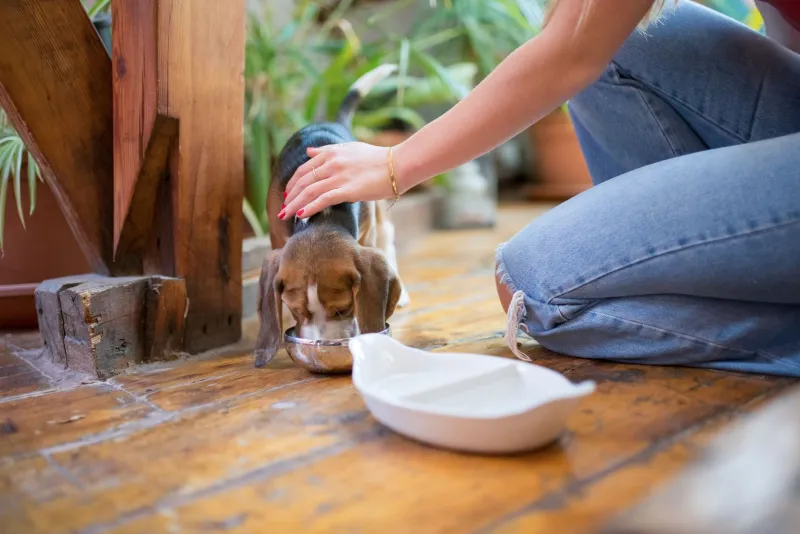
The bowl by the back door tells a different story in November. In July you are refilling it twice a day and mopping up the splash zone. By the time the clocks have gone back, it can sit there looking almost untouched, and it is tempting to think that means your dog simply needs less water. Less panting, less heat, less thirst. Job done.
Not quite. Winter hydration is one of those quiet bits of dog care that rarely announces itself. The risk is not usually dramatic dehydration on a frosty morning. It is a slow, ordinary dip in drinking, helped along by central heating, chilly water, shorter days and the fact that nobody is offering a bowl after a long, hot potter around the park. The fix is not complicated, but it does need a little routine.
Why winter thirst goes quiet
Dogs lose water all year round through breathing, digestion and urine. A warm house with the heating on can be dry enough to make you reach for lip balm, and it affects dogs too. Add in colder water that some dogs find unappealing, an outdoor bowl that has turned into a mini ice rink, and meals that are mostly dry kibble, and you have a recipe for a dog who is running a bit low without anyone noticing.
The other issue is us. In summer, we fuss about water because we are hot. In winter, we are more likely to fuss about muddy paws, dark pavements and whether the dog needs a coat. Water becomes background admin. That is the cold-water con: the dog is not panting, so we assume the tank is full.
The signs owners miss
A truly dehydrated dog needs a vet, not a blog post. But the subtle signs are worth knowing so you can act earlier. Look for tacky or dry gums, a skin tent that is slow to settle when gently lifted between the shoulder blades, unusual tiredness, reduced appetite, sunken-looking eyes, or urine that seems much more concentrated than usual. A dog who is suddenly drinking a lot more than normal also deserves a phone call to the vet, especially if it is paired with weight loss or changes in appetite.
Some dogs are more vulnerable than others: puppies, older dogs, dogs on medication, and dogs with kidney or other health conditions. If your dog falls into any of those groups, do not wait for obvious signs. Ask your vet what a sensible water routine looks like for them.
The daily routine that fits a British winter
The aim is not to turn every walk into a puddle-stop. It is to make drinking easy, appealing and part of the day, even when the day is dark by four.
Morning. Refresh the indoor bowls with fresh water. If your dog turns their nose up at freezing cold tap water, add a small splash of warm, not hot, water to take the chill off. Check any outdoor bowl has not frozen and is not full of grit or leaf litter.
Before the walk. Offer water, even if your dog rarely takes it. A short offer is not a demand. Some dogs drink simply because the bowl appears at the right moment.
After the walk. Towel off paws, take off the coat, and put down fresh water at room temperature. If you have been out for a long, brisk walk, offer water before the dog flops on the sofa. A collapsible bowl in the walking bag is useful for longer trips, especially if you are away from home.
Dinner. Add a little water to kibble, or mix in wet food if that suits your dog. This is one of the easiest ways to top up intake without any drama. If you use broth, make sure it is dog-safe: no onion, garlic or added salt.
Evening. Refresh bowls again and check the water station nearest where your dog settles for the night. Some dogs will drink overnight if water is close by; others will not, and that is fine. The point is to make it available.
Five gentle ways to encourage drinking
- Put down more than one bowl. A bowl in the kitchen, one in the hallway and one near the dog's bed gives more chances to drink. Wash them daily and use wide, shallow bowls that do not crowd the whiskers.
- Keep water away from food if your dog prefers it that way. Some dogs are fussy about bits of kibble landing in the bowl.
- Try a water fountain if your dog likes moving water. Clean it properly and often. A fountain that is left to go slimy is not an upgrade.
- Add a spoonful of wet food or dog-safe broth to the water bowl for flavour, then reduce it over time. This is a nudge, not a permanent soup.
- Offer water after play, training or a good sniffy walk. A dog who has been busy is more likely to take a drink than one who has been asleep under the radiator.
What not to do
Do not force water or squirt it into your dog's mouth unless your vet has told you to. Do not add salt to encourage drinking. Do not let your dog use puddles, grit-covered roadside water or snow as their main water source. Snow is not a reliable drink, and eating a lot of it can upset some dogs' stomachs. If your dog is on medication or has a health condition, do not restrict water unless your vet has specifically advised it.
A vet-approved winter hydration checklist
- Fresh water in at least two places, including one indoors.
- Bowls cleaned daily and wide enough for comfortable drinking.
- Outdoor bowls checked for ice, grit and contamination.
- Water offered before and after walks.
- Water added to meals, or wet food included, if your dog tolerates it.
- Gums, skin, appetite, energy and urine checked as part of your normal handling routine.
- Extra vigilance for puppies, seniors, and dogs on medication.
- A call to the vet if you notice persistent changes, not a wait-and-see approach.
A word for walkers and local services
If you use a dog walker, ask them to note water at the end of the walk, especially on cold days when your dog has been out in a group and might not have had a quiet moment to drink. A good local walker will not mind being asked to offer water from a clean bowl or to flag that your dog seems off colour. In winter, those small observations are often worth more than a long report about muddy paws.
Hydration is not seasonal admin. It is just one of those quiet jobs that makes a difference when the heating is on, the water is cold and the days are short. Keep the bowl fresh, offer it often, and let your dog tell you what they need.