Before the Bells: A Dog's-Eye Countdown to New Year's Eve 2026
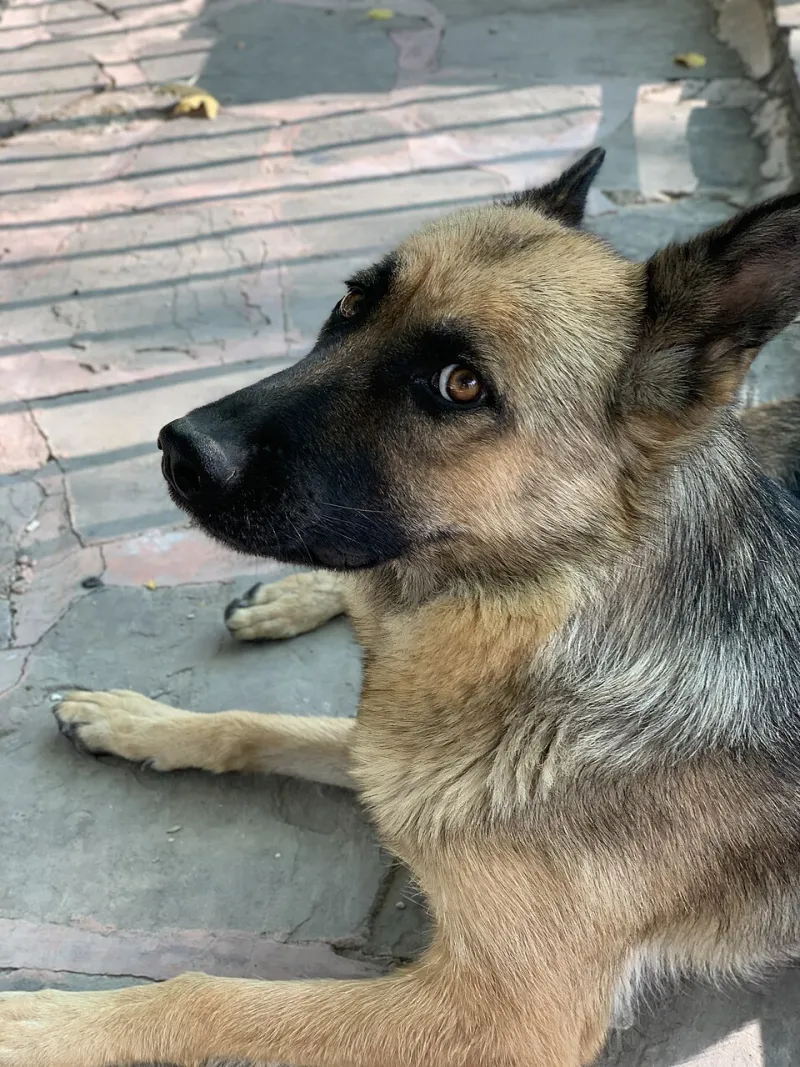
Photo: Danial Esmaeilian, CC BY-SA 4.0, via Wikimedia Commons
Bonfire Night arrives with a date circled on the calendar, a council notice and a week of warnings. New Year's Eve is messier. The fireworks are later, patchier and often started by a neighbour in a back garden at five minutes past midnight. Your dog does not know that 31 December is a Thursday this year, or that the bangs are meant to be celebratory. They only know the sky has started shouting.
The good news is that New Year's Eve rewards a bit of forward planning far more than a last-minute scramble. Think of the next few weeks as a slow, calm countdown rather than a single night to survive.
Start with the calendar, not the kennel
Mid-December is the right time to look at the practical shape of the night. Check your local council's website and community Facebook groups for any public events, but do not rely on those alone. Garden fireworks are the wildcard. A quick note through the door or a message to the neighbours either side can tell you more than any official listing.
This is also the moment to check the boring but vital details: the microchip database has your current phone number, the ID tag is still readable, and the lead and harness have no frayed stitching. If your dog is already uneasy around loud noises, book a vet conversation now rather than on 30 December.
The walk that ends before dusk
In most of the UK, dusk on 31 December arrives around four in the afternoon. Aim to have the main walk finished by 15:30, not because fireworks always start early, but because the later walk is the one most likely to collide with a neighbour testing a box of rockets. A long, sniff-heavy walk earlier in the day is worth more than a rushed pavement loop after dark.
Take the quiet route if you have one. Double-check the lead clip, use a harness if your dog is a bolter, and leave the retractable lead at home. Carry treats, a torch and a towel. If the weather is grim, shorten the route rather than skip it entirely. A dog who has had a proper sniff and a chance to toilet is a dog with less to worry about later.
Build the bolthole before you need it
The phrase 'safe space' can sound grand. In practice it means a spot your dog already likes, made a little more comfortable and a little more insulated from the noise. It might be a crate with the door left open, a corner behind the sofa, or a bed in the quietest room in the house.
Start now. Put a familiar blanket in, drop a treat in now and then, and let the dog choose whether to use it. Do not shut a dog in a crate they are not used to, and do not turn a safe space into a cage. The point is options, not confinement.
Close the curtains, put a radio or television on in the room, and test the volume before the night itself. You want a steady, ordinary sound that takes the edge off the bangs without making the room feel strange. If your dog settles better with company, plan for someone to be home. If they are happier alone in a familiar spot, resist the urge to hover.
Ask the neighbours without starting a feud
A short, friendly message works better than a silent grudge. Try something like: 'We're planning around our dog this New Year. If you're doing fireworks in the garden, could you let us know roughly when? No judgement at all, just helps us time the last walk and set up a quiet room.'
Most people will answer honestly. Some will say they are not doing any. Some will say 'just a few' and then produce a box that suggests otherwise. Either way, you have information. You have also planted the idea that a quick heads-up is welcome. If you have a dog who struggles, it is fair to say so plainly. You are not asking anyone to cancel their evening; you are asking for a rough time window.
The vet conversation you have in early December
If your dog has a history of panic, escape attempts, self-injury or several days of recovery after loud noises, do not wait until the night before. Ring the vet in early December and explain what happened on Bonfire Night or in previous years. Ask what they would recommend for New Year's Eve 2026, and whether any medication needs a trial run beforehand.
This is not about demanding sedatives on 30 December. It is about giving your vet time to assess the dog, discuss options and make sure anything prescribed is used safely. The same applies to over-the-counter products. A plug-in diffuser or a snug coat might help some dogs, but they are not a substitute for a proper plan if your dog is genuinely frightened.
Midnight: the actual hour
Keep the evening boring in the best way. A toilet break on the lead in the garden at around nine o'clock, then back inside. Close the windows, draw the curtains and put the radio on before the first distant bang. Give your dog something long-lasting to chew if they take one, but do not force it.
At midnight, do not open the back door to 'see what's going on'. Do not stand in the garden with the dog to watch the neighbours' display. Keep doors and gates shut, and use a baby gate or a closed internal door if your dog is likely to bolt towards the sound. If they want to sit on your lap, let them. If they want to hide, let them. A calm human is more useful than a fussing one.
If the door opens anyway
Have a what-if plan before you need it. Keep a spare lead by the front door and a recent photo on your phone. If your dog slips out at the first bang, resist the urge to chase while shouting. A high, happy voice and a scatter of treats can work better than a sprint. Call your dog's name once, then move calmly in the direction they went.
Ring the local dog warden, the vet and the microchip database as soon as you know they are missing. Post in local Facebook groups with a clear photo, the time and the direction of travel. Ask neighbours to check sheds and garages. Most dogs who bolt in fright do not go far, but the first hour matters.
The morning after
New Year's Day is not the moment for a big adventure if your dog is still wired. Keep the routine gentle, offer water and breakfast, and check paws and ears if they have been scratching at doors. A quiet sniff walk later in the day is often more useful than a long one. The bells have stopped. The plan worked, or it didn't, and either way you now know what to tweak for next year.