Before the First Appointment: Helping Your Dog Meet the Grooming Room on Their Own Terms
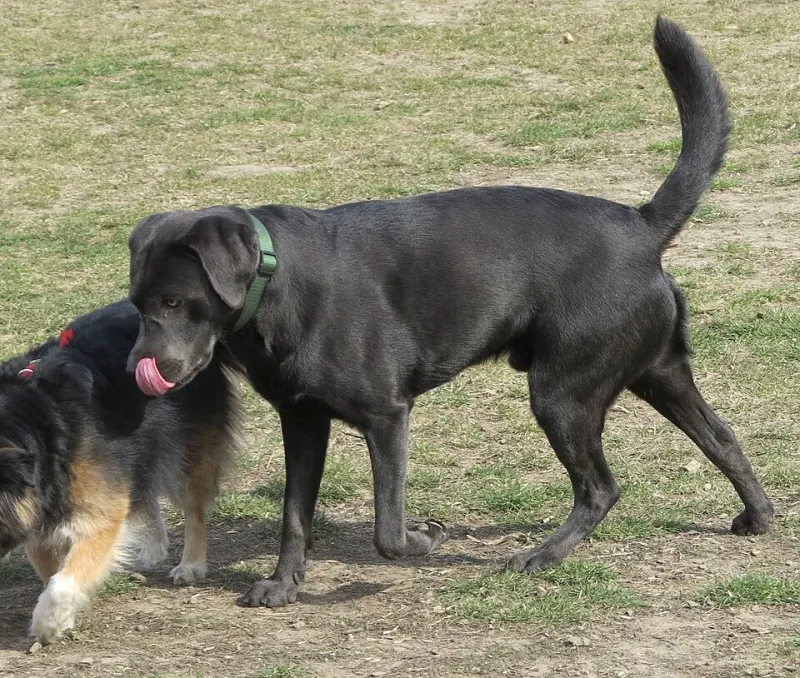
Photo: Sciencia58, CC0, via Wikimedia Commons
A first groomer visit often gets booked because the coat has become a project. Maybe the feathering is collecting half the park, or the nails have started clicking on the kitchen floor. But the appointment is about more than tidying up. It is handling, noise, unfamiliar floors, a raised table and a person your dog has never met asking to look at ears, paws and tail. Good groomers do not expect a perfect statue. They want information, a bit of preparation and a dog who has had a chance to understand what is coming.
Ask before you book, not after
The best prep starts on the phone or by email. Ask how the groomer introduces new dogs to the salon. Is there a quiet slot? Can you bring the dog in for a short meet-and-greet first? What drying methods do they use, and can they show you the equipment? Some dogs cope fine with a stand dryer but find a high-velocity blower alarming; others are the reverse. Ask whether you can stay for the first visit, and what happens if your dog says no to a particular bit of handling. A groomer who answers those questions clearly is usually a groomer who has thought about them before.
It is also fair to ask how long the appointment is likely to take, whether they work one dog at a time, and what they do if a dog becomes worried. You are not being fussy. You are giving the groomer the same courtesy you would want from anyone handling your dog. If the answers are vague or the worries are brushed aside, keep looking. A calm first experience is worth waiting for.
The table is a skill, not a piece of furniture
At home, start on the floor. Put a non-slip mat down and reward your dog for standing on it. Then, when that is easy, try a sturdy low surface with the mat on top. Do not use a wobbly chair or anything that could tip. The aim is not to recreate a salon table in your kitchen; it is to teach your dog that standing still on a slightly different surface earns treats and nothing unpleasant follows.
Keep sessions short. Thirty seconds of easy standing and a few treats is plenty at first. Build up slowly, and stop before your dog starts to look for the exit. If they hop off, that is information, not naughtiness. Lower the difficulty and try again another day.
Handling practice that feels like a choice
Groomers need to look at ears, eyes, mouth, paws and tail. You can practise those small touches at home without turning it into a wrestling match. Touch a paw for one second, then treat. Lift an ear flap gently, then treat. Run a hand along the tail, then treat. Keep your movements slow and your voice boring in a friendly way.
Use a simple consent check. Pause for a moment. If your dog leans back in or stays relaxed, carry on for another second or two. If they move away, yawn, lip-lick or go stiff, stop. That is not failure. It is your dog telling you the pace is too fast, and listening now makes the real appointment easier later.
Brush practice matters too. Ask the groomer what brushes they use, or bring your own brush to the meet-and-greet. A couple of gentle strokes with a treat after each one is better than a full coat session in one go.
Dryer desensitisation without the drama
The dryer is often the sticking point. Start with a towel: rub gently, treat, stop. Then, if your dog is comfortable, try a hairdryer on the coolest, lowest setting from across the room. Let it run for a second, turn it off, treat. Do not point it at your dog's face, and never trap them in a corner with it. Build distance and duration slowly. If your dog leaves the room, that is a clear answer. Reduce the intensity and try again another day.
Ask your groomer which dryer they use and whether you can see it in action without your dog. Some salons will let you watch from the doorway. That gives you a better idea of what to practise at home. If your dog is genuinely frightened of the dryer, tell the groomer before the appointment. A good groomer will adjust the plan, use towels, or split the visit. They will not think less of you for saying so.
A realistic appointment-day checklist
- Book a quiet time of day, not straight after a busy walk or a trip to the park.
- Give your dog a chance to toilet before you go in, but do not exhaust them.
- Bring a handful of treats they really love, and ask if the groomer is happy for them to be used.
- Arrive a few minutes early, not twenty. Hanging around a busy reception can wind a dog up.
- Hand over a short note: handling likes and dislikes, any sore spots, whether your dog is worried by dryers, and what treats work best.
- Keep the goodbye calm and brief. If you are staying, follow the groomer's lead rather than hovering.
- Plan a quiet rest afterwards. A first groom is mentally tiring, even when it goes well.
If it does not go to plan
A first visit may be shortened, or it may become a meet-and-greet rather than a full groom. That is not a wasted appointment. It is information. Ask the groomer what your dog found difficult and what would help next time. Sometimes two shorter visits beat one long one. If your dog is severely worried by handling or noise, speak to your vet about support before the next appointment. There is no prize for pushing through.
The goal is not a dog who loves the salon instantly. It is a dog who learns that the grooming room is predictable, the treats are good and the person with the scissors is not a disaster. Small wins at home and a groomer who listens will get you there far more comfortably than a last-minute bath and a hopeful shove through the door.